Centropa is about storytelling—telling the stories of 20th century Central and Eastern European Jews through interviews, photographs, short films, books, and podcasts. As we head into 2026, Edward Serotta, Centropa's founder, is stepping down as Director, having documented 20th century Jewish life in Central and Eastern Europe for more than three decades.
Summing up his accomplishments is no small task, but the best way to honor him is to tell a story. Here is how Centropa started, in his own words:
It was while producing a film for Nightline in Romania at the end of 1999 that the idea of Centropa came to me. I was visiting people in their 80s and 90s, and in every apartment, they invariably pulled out leather-bound family albums, pointed with liver-spotted hands to yellowed old pictures, and told me stories about the people in those pictures. I heard tales of card shark uncles and opera-singing aunts, of religious grandparents and sisters who ran off with Communists. They told me about being deported to Auschwitz, watching their parents pulled in one direction and they in another, of stumbling home in 1945 to find their houses occupied, and then I heard stories and looked at pictures of weddings, May Day marches, children in Communist Pioneer uniforms, and standing on the streets in 1989 when Communism fell.
An entire century. In every album. And I asked myself: who collects this stuff? The answer: no one. Until that day.
Working with two history graduate students in Budapest, Eszter Andor and Dora Sardi, Ed created an unprecedented oral history project: asking elderly Jews from the Baltics to the Aegean to tell us their entire life stories spanning the 20th century as they showed us their old family photographs, which Centropa digitized. 25,000 photographs, 45,000 pages of interviews. No video, and not focusing on the Holocaust. This project was so unique, the United States Holocaust Memorial Museum acquired the archive in 2022. Ed's goal: preserve Jewish memory.
Using those gorgeous old photographs, Ed began making short films of the most compelling stories—school experiences, the sports they played, falling in love, surviving the war, and how they rebuilt their lives. As teachers began using these films in their classes and asking about seminars to learn more, Ed and his team created an education program that has reached teachers on five continents. Over the years, he has produced dozens of award-winning short films, written and edited numerous books, curated more than a dozen exhibitions, and produced thirteen podcast seasons—bringing Centropa's Jewish stories to schools and public history audiences around the world in powerful and accessible ways.
It is no exaggeration to say that Ed has changed the way thousands of educators around the world teach about 20th century Jewish history—teaching their students how Jews lived, not only how Jews were murdered, and using personal stories and photographs to teach history—and giving them the resources to do so effectively. Ed established Centropa's annual Summer Academy, which brings together over sixty teachers from sixteen countries to study Jewish history and collaborate with one another—creating an international network of teachers who stay connected and support each other for years after traveling together.
As Ed tells it, Centropa is likely the only oral history project with a social club. When Centropa's interviewees didn't want to say goodbye, he created Café Centropa, monthly social clubs in Vienna and Budapest for our interviewees and their friends—which continue to this day, though sadly fewer people attend each year.
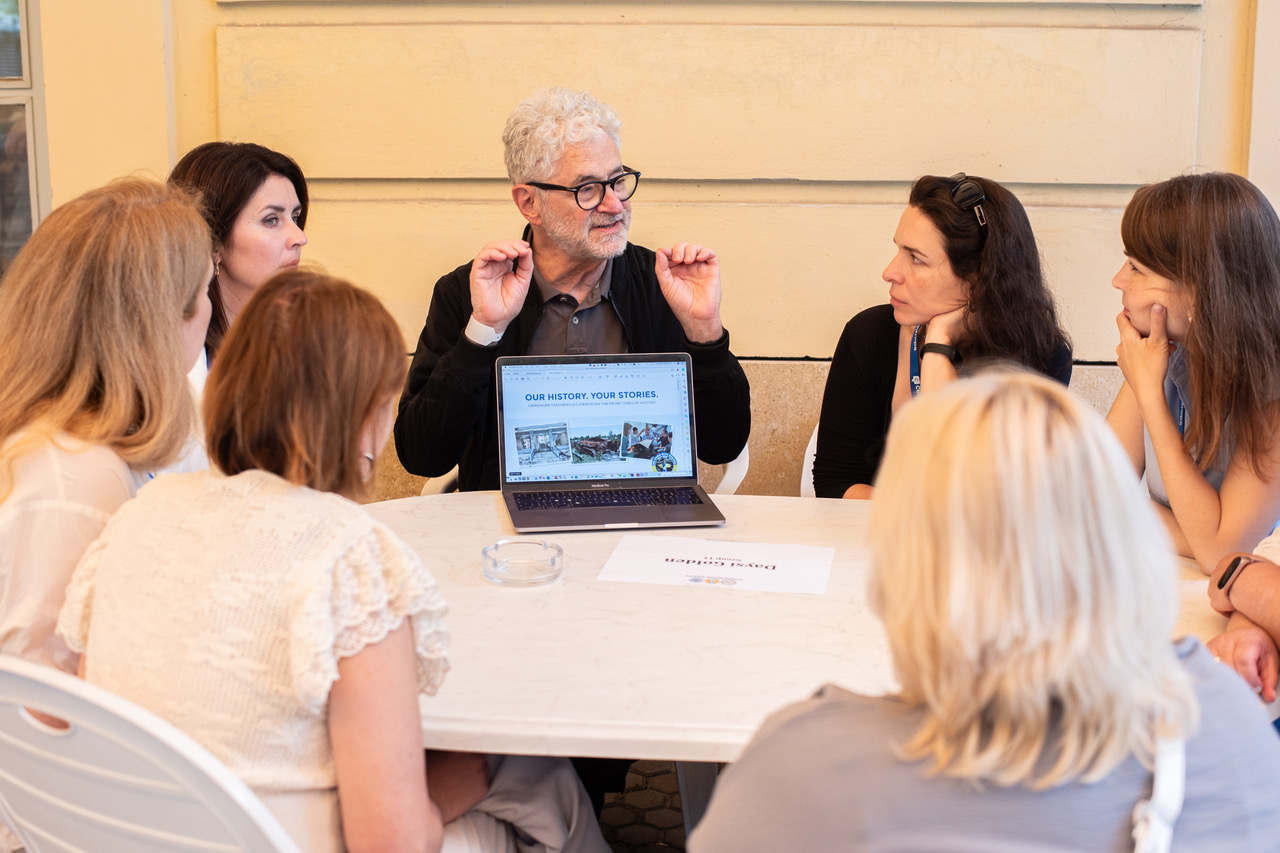
We're pleased to say that although Ed is stepping down as director of Centropa, this isn't goodbye. As many know, Ed has been passionate about supporting Centropa's Ukrainian teachers, traveling there multiple times since the war began, running seminars with our local staff, and creating programs and exhibitions. He will continue that work with Centropa.
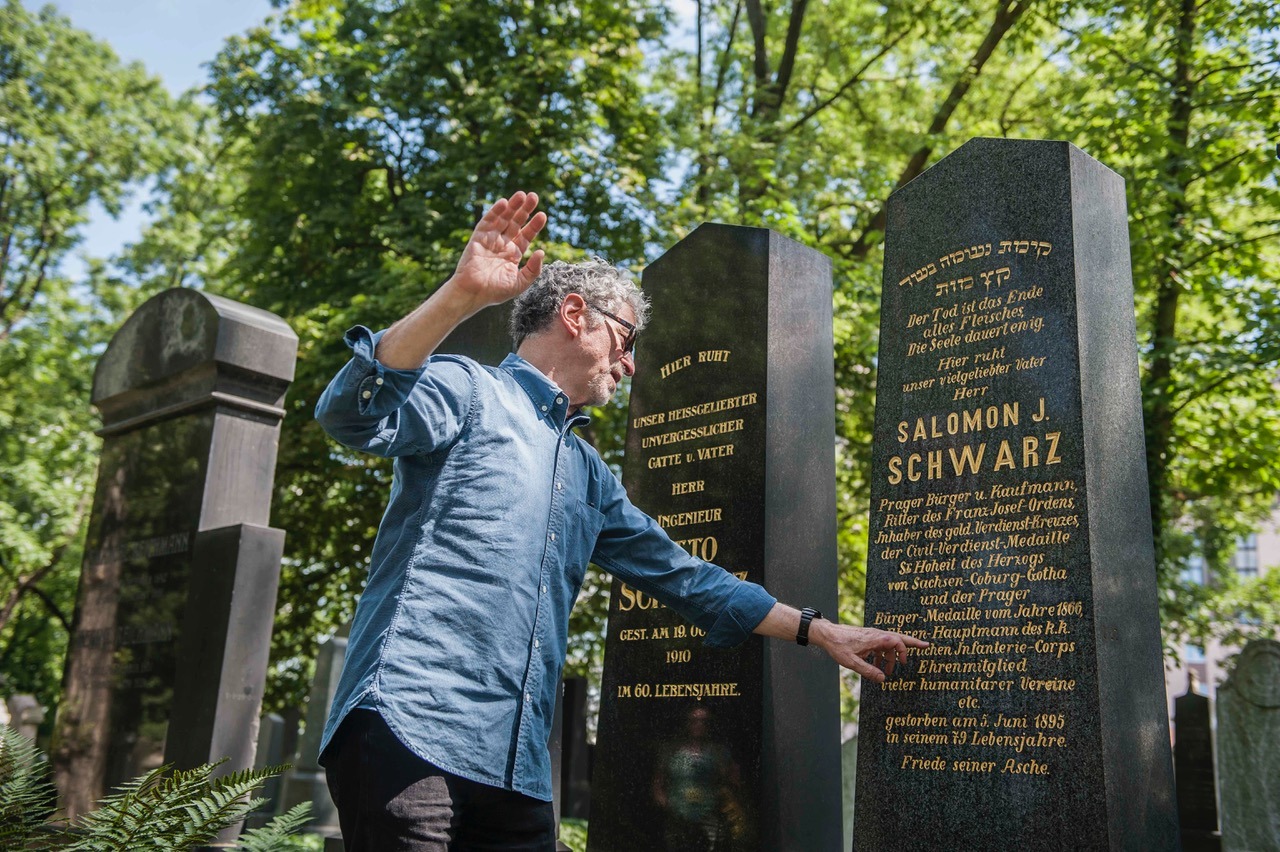
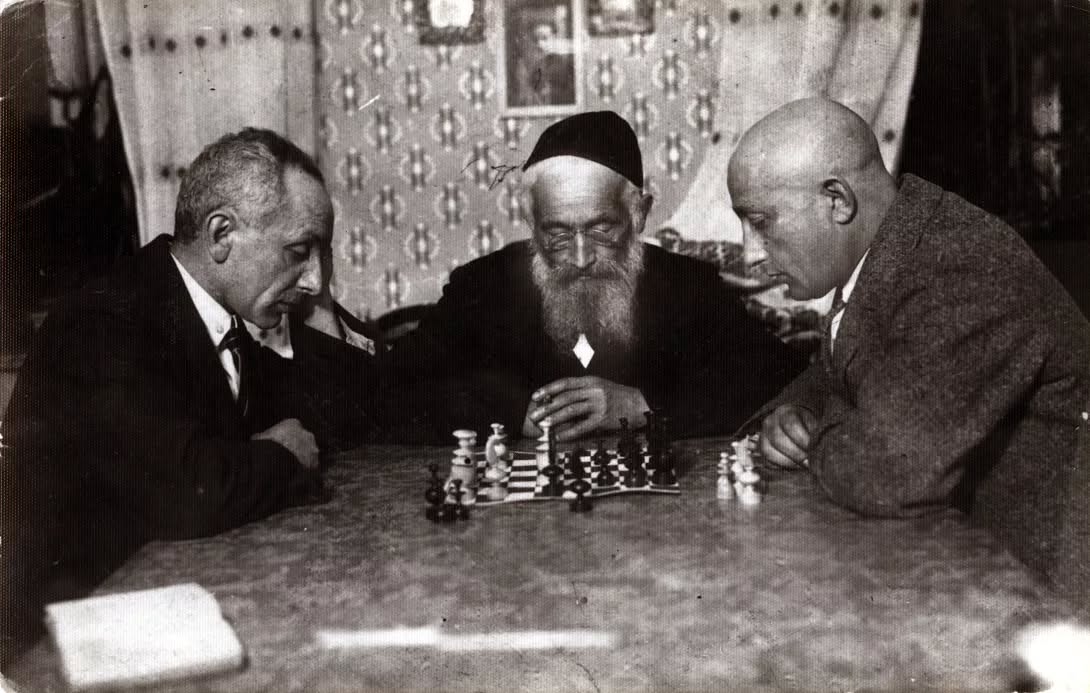
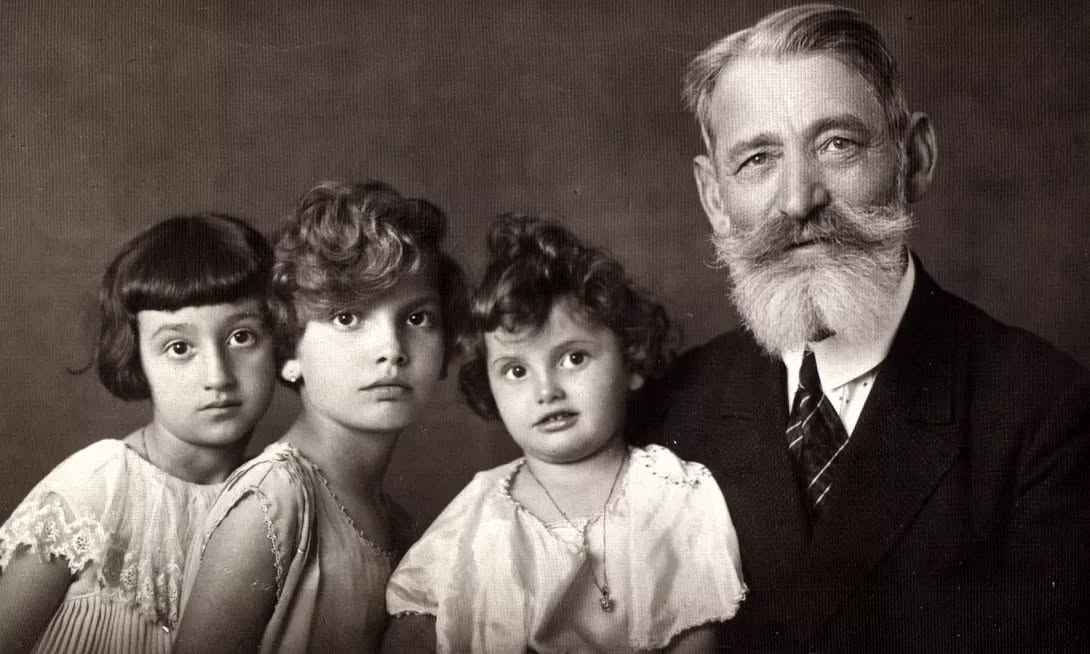
This brief overview of his accomplishments does not do justice to the depth and impact of his work. As we've learned from Ed himself, nothing conveys a story like a photograph. So, to honor his work—and illustrate what it means to have saved Jewish stories from obscurity—we include here a small selection of the photographs that Centropa collected, in addition to a few photos of Ed. In the coming months, we will post stories and photos from the archive in honor of Ed. After all, preserving Jewish memory means continuing to tell the stories that need to be told.
Archive references of photos featured:
- Bence Miklósné kislányként rokonokkal: https://www.centropa.org/.../bence-miklosne-kislanykent...
- Koppel Gringras and his father and brother playing chess: https://www.centropa.org/.../koppel-gringras-and-his...