2025 Centropa Summer Academy Website
Check out our website for this year's Centropa Summer Academy.


Check out our website for this year's Centropa Summer Academy.

In Hebrew and in English, we have created a website for our teachers, students and friends in Israel to share their stories of all they have been through. At Centropa: we stand with Israel.

Centropa has been awarded the "Award for civic engagement to educate the public about the Holocaust" at the ceremony for the 2023 Simon Wiesenthal prize.

A graphic novel about two Jewish girls, who grew up in Rivne, now part of Ukraine.


Explore our archive of 1,230 interviews conducted in 15 European countries and view 25,664 family pictures.


More than a thousand teachers use our oral history archive to teach everything from social studies to literature, foreign language to photography, filmmaking to art.
Award winning films that bring history to life through documentaries and personal stories.
We are taking some of our most compelling interviews and turning them into audio theatre productions.
Café Centropa: our social club for the Holocaust survivors we've interviewed.
Dozens of mouth-watering recipes we've collected along with great ideas from Jayne Cohen and others. From classic Ashkenazi recipes to recipes from Turkish Jewish kitchens
Over 2,000 family photographs and 150 interviews conducted in Bosnia, Serbia, Croatia, Bulgaria, North Macedonia, Greece and Turkey
Help make possible our programs for holocaust survivors, teachers in Ukraine or support our day-to-day operations.


 Austria
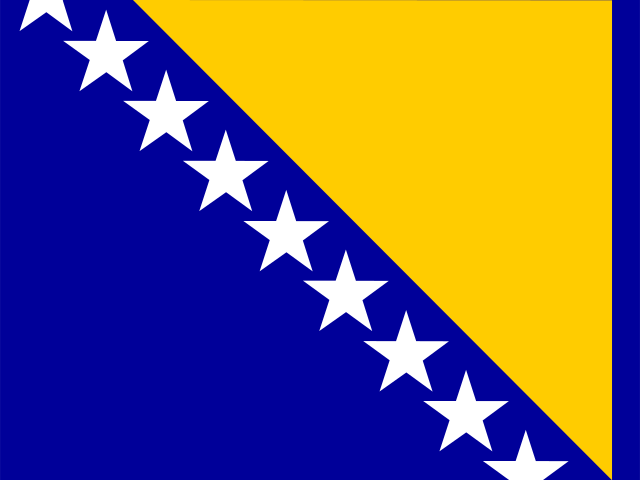 Bosnia and Herzegovina
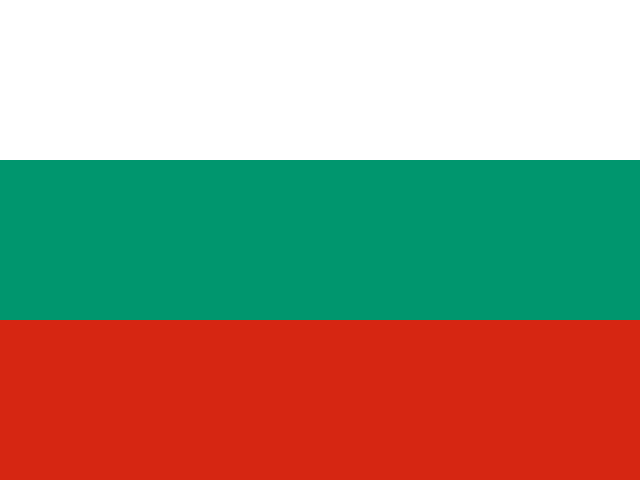 Bulgaria
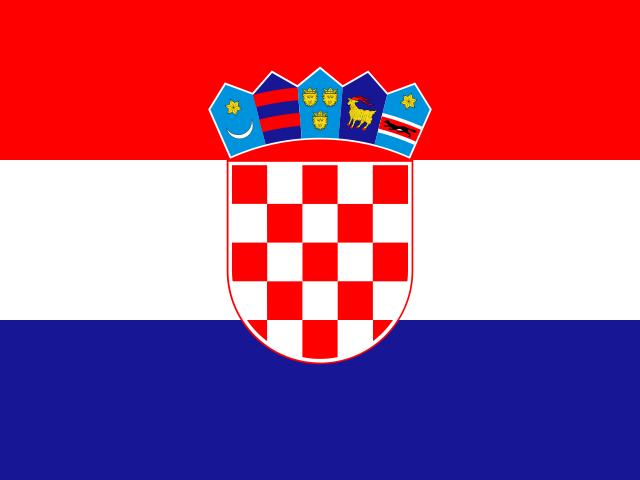 Croatia
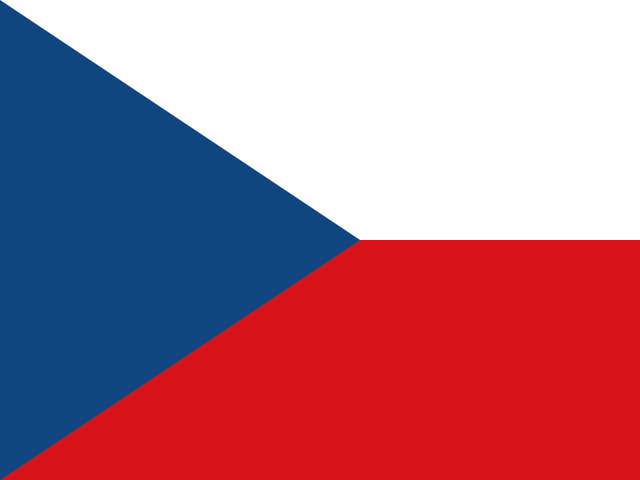 Czechia
 Estonia
 Germany
 Greece
 Hungary
 Israel
 Latvia
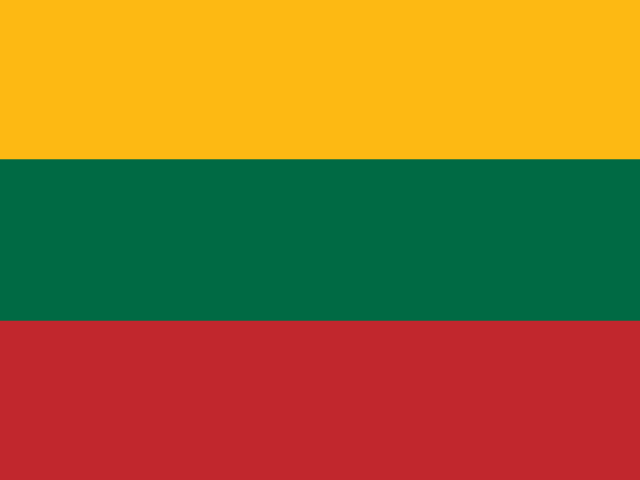 Lithuania
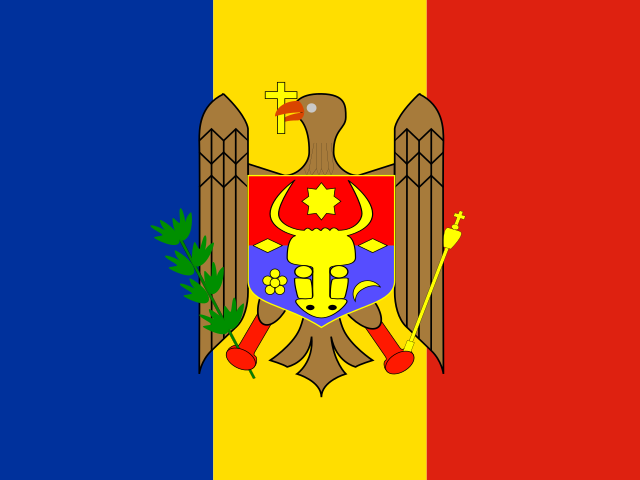 Moldova
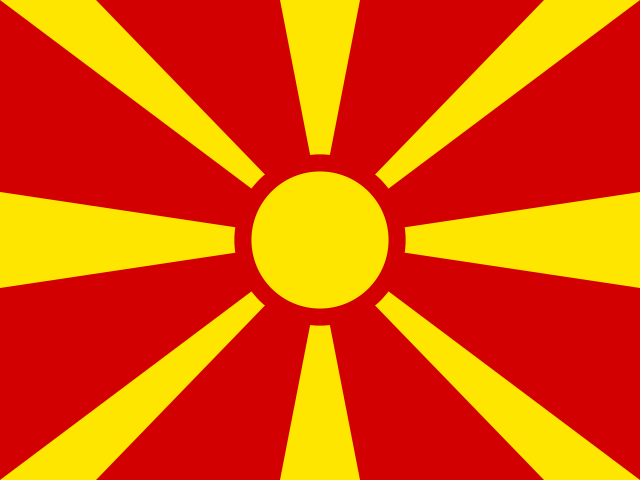 North Macedonia
 Poland
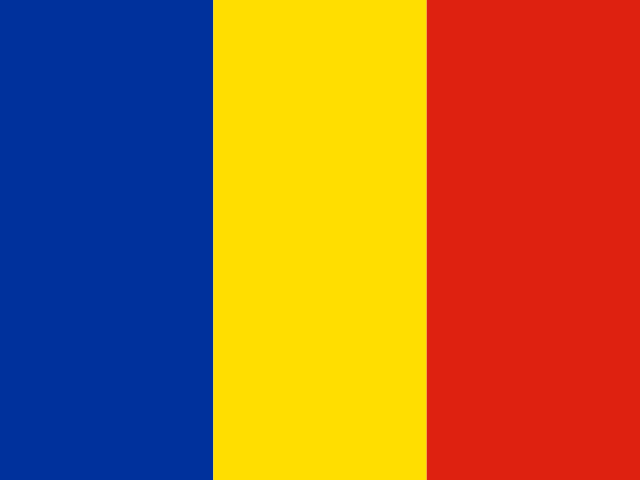 Romania
 Russia
 Serbia
 Slovakia
 Turkey
 Ukraine